
From Ashes to Oaks: The Marathon of Reforestation
By Jerry Wen
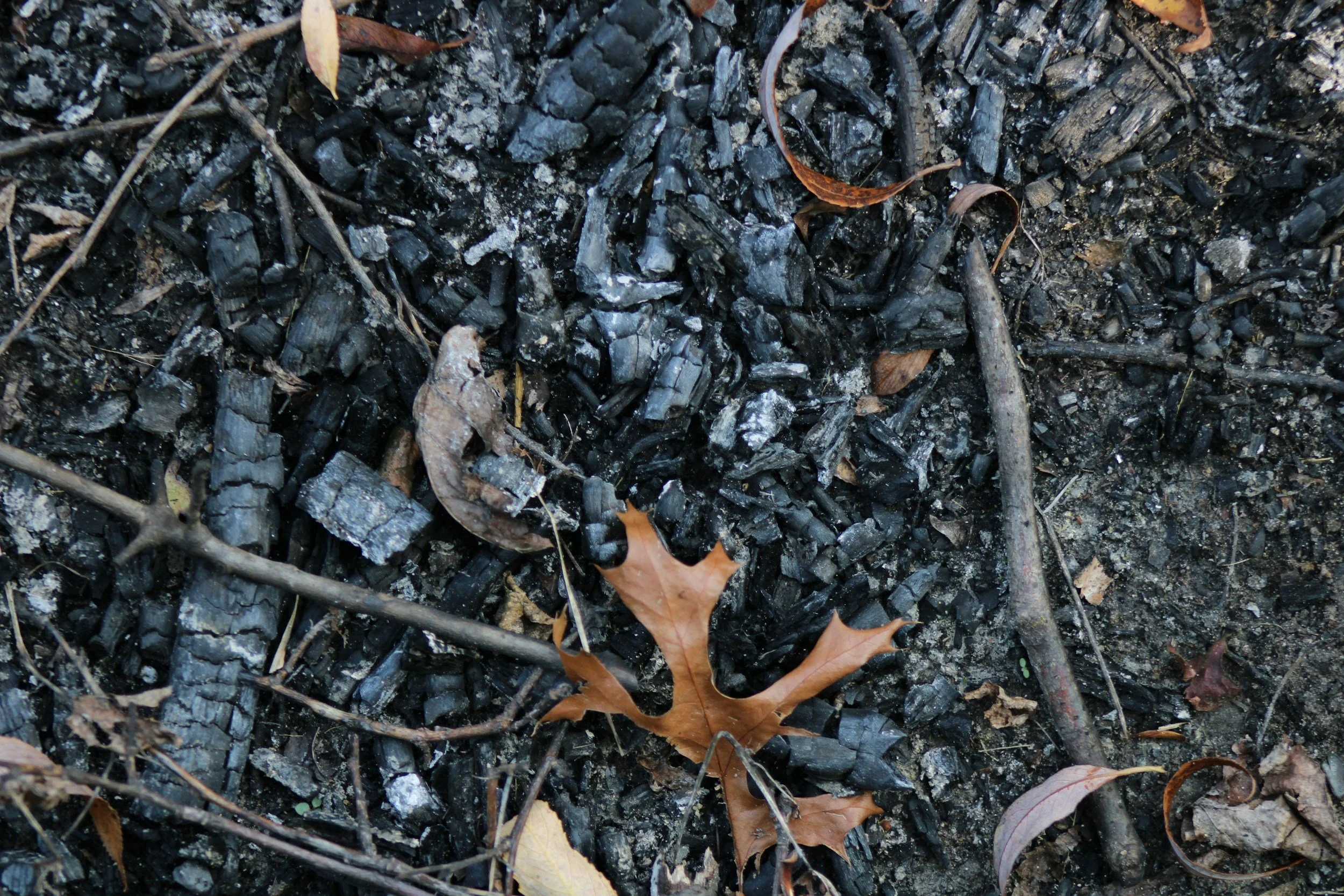
Watching a forest burn down is heartbreaking; watching one grow back can be equally awe‑inspiring. Reforestation after wildfire is a complex, multi‑year process that demands science, planning and community involvement. Seeds don’t sprout overnight, and trees don’t magically appear. This article follows the journey from charred earth to thriving woodland.
First Steps: Assess and Plan
Tree planting isn’t the first step—it’s one of the last. Restoring a burned landscape begins with site assessments to understand soil conditions and determine which species will thrive (Arbor Day Foundation). Crews remove invasive brush, test soil for nutrient deficits and plan around short seasonal windows for safe planting. Everything from the slope of the land to expected rainfall influences planting decisions. In severely burned areas, the soil may have become hydrophobic—repelling water—so treatments to break up the surface may be needed before any seedlings go in.
Seeds and Nurseries
Most conifers drop their cones in late summer. Collecting viable seeds during this brief window is critical (Arbor Day Foundation). The seeds then head to nurseries, where they grow for 12–18 months before being ready for the field. High‑intensity fires can sterilise soil and destroy seed banks, making nursery capacity a limiting factor in recovery. Nurseries must also track genetic diversity, ensuring the seedlings are adapted to local conditions and future climates. In the American West, nursery space is already at a premium as more acreage burns each year.
Planting Day and Beyond
When the seedlings are finally ready, crews (and often volunteers) plant them at carefully calculated densities. Planting too densely invites competition and disease; too sparsely and weeds will dominate. Saplings require watering, weed control and monitoring for several years. Reforestation isn’t just ecological—it’s emotional. Planting trees gives communities a sense of hope and resilience, a living symbol of recovery (Arbor Day Foundation). In many burned communities, residents gather annually to plant and tend to seedlings, reconnecting with the land they thought was lost.
Innovations and Challenges
Technologies like drone‑assisted planting and biodegradable seed pods are emerging, but they can’t replace the human touch just yet. Funding, labour shortages and climate change add hurdles. Some burned landscapes may convert to grassland or shrubland instead of returning to forest, and that’s okay—nature isn’t static. The ultimate goal is to restore ecological function, not necessarily recreate the pre‑fire landscape. Adaptability and patience are essential.
Takeaway
Reforestation is like raising kids: you don’t just drop them off at school and hope for the best. You nurture, protect and occasionally yell at deer for eating their homework. It takes a village and a lot of patience, but when you finally see that grove of saplings swaying in the wind, the long journey feels worth every calloused hand.
Works Cited
“From Ashes to Action: Restoring Forests After Wildfire.” Arbor Day Foundation, 6 Oct. 2025.
