Breathing the Flame: Surviving the Smoke from Wildfires
By Jerry Wen
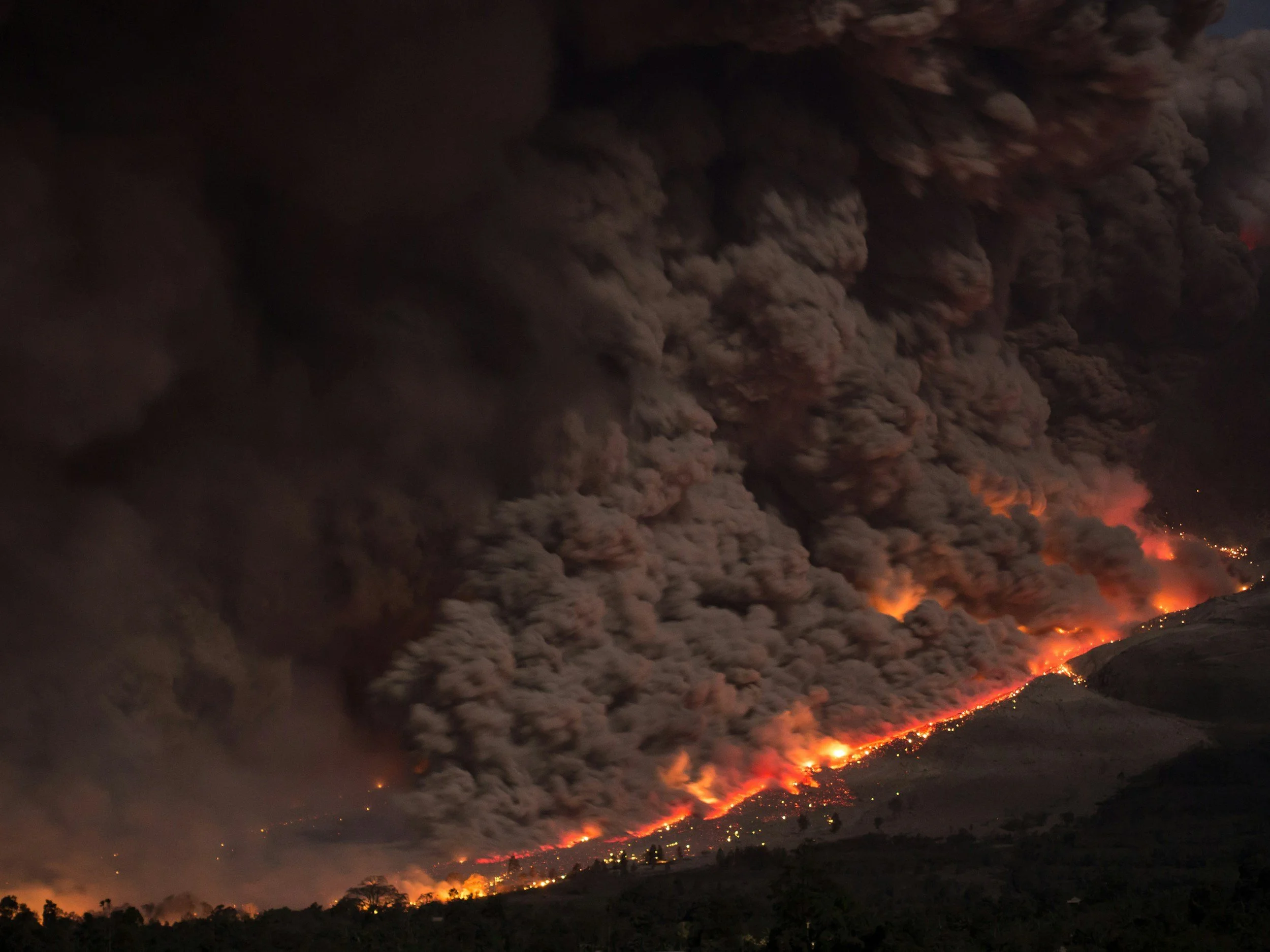
When fires erupt, the flames may spare your home but the smoke won’t spare your lungs. Wildfire smoke contains a cocktail of pollutants—including carbon dioxide, nitrogen oxides, particulate matter and even heavy metals—that can travel thousands of miles (Seaside Sustainability). This article examines the health impacts of smoke and what you can do to protect yourself.
What’s in the Air?
Unlike the visible ash that settles on your car, the most dangerous component of smoke is invisible: PM2.5—tiny particles less than 2.5 micrometers in diameter. These particles penetrate deep into the lungs, cross into the bloodstream and can trigger asthma attacks, heart problems and other ailments. Smoke also contains gases that irritate the eyes and throat and may carry carcinogens. Some studies suggest that prolonged exposure to wildfire smoke can increase the risk of respiratory infections and contribute to premature death.
Vulnerable Populations
Children, older adults and people with respiratory or cardiovascular conditions are especially susceptible (Seaside Sustainability). Their bodies are less able to filter out fine particles, and their immune systems may already be compromised. Pregnant women also face risks, as smoke exposure has been linked to preterm births and low birth weights. Long‑term exposure can exacerbate chronic diseases and may even reduce life expectancy. Importantly, you don’t need to live near the forest to feel the effects; smoke from large fires can drift across continents.
Protecting Yourself
When air quality is poor, stay indoors and seal windows and doors. Use air purifiers with HEPA filters to reduce indoor pollution. If you must go outside, wear an N95 or P100 mask—bandanas and basic cloth masks won’t filter fine particles. Avoid strenuous outdoor exercise during smoky periods. Keep an eye on local air‑quality indexes and follow health advisories. If you have asthma or heart disease, make sure your medications are up to date and consult your doctor about creating an action plan. Pets can suffer too—keep them indoors and ensure they have clean water and food.
Looking Ahead
Reducing wildfire smoke exposure requires systemic solutions. Better land management to decrease fire intensity, emission reductions to combat climate change, and improved public‑health messaging all play roles. Governments and organisations are deploying low‑cost air monitors in communities so residents can track local air quality and respond proactively. Schools and workplaces are upgrading HVAC systems. On a personal level, having a “clean room” in your house—one room with filtered air and sealed windows—can provide refuge during smoke events.
Takeaway
Smoke is the ultimate party crasher—it shows up uninvited, stings your eyes and lingers long after the guests leave. You can’t make it go away with a scented candle, but you can politely ask it to step outside by closing your doors, turning on your air purifier and putting on a mask. Sometimes adulting means telling smoke it’s past its bedtime.
