
Ancient Wisdom for Modern Fires
By Jerry Wen
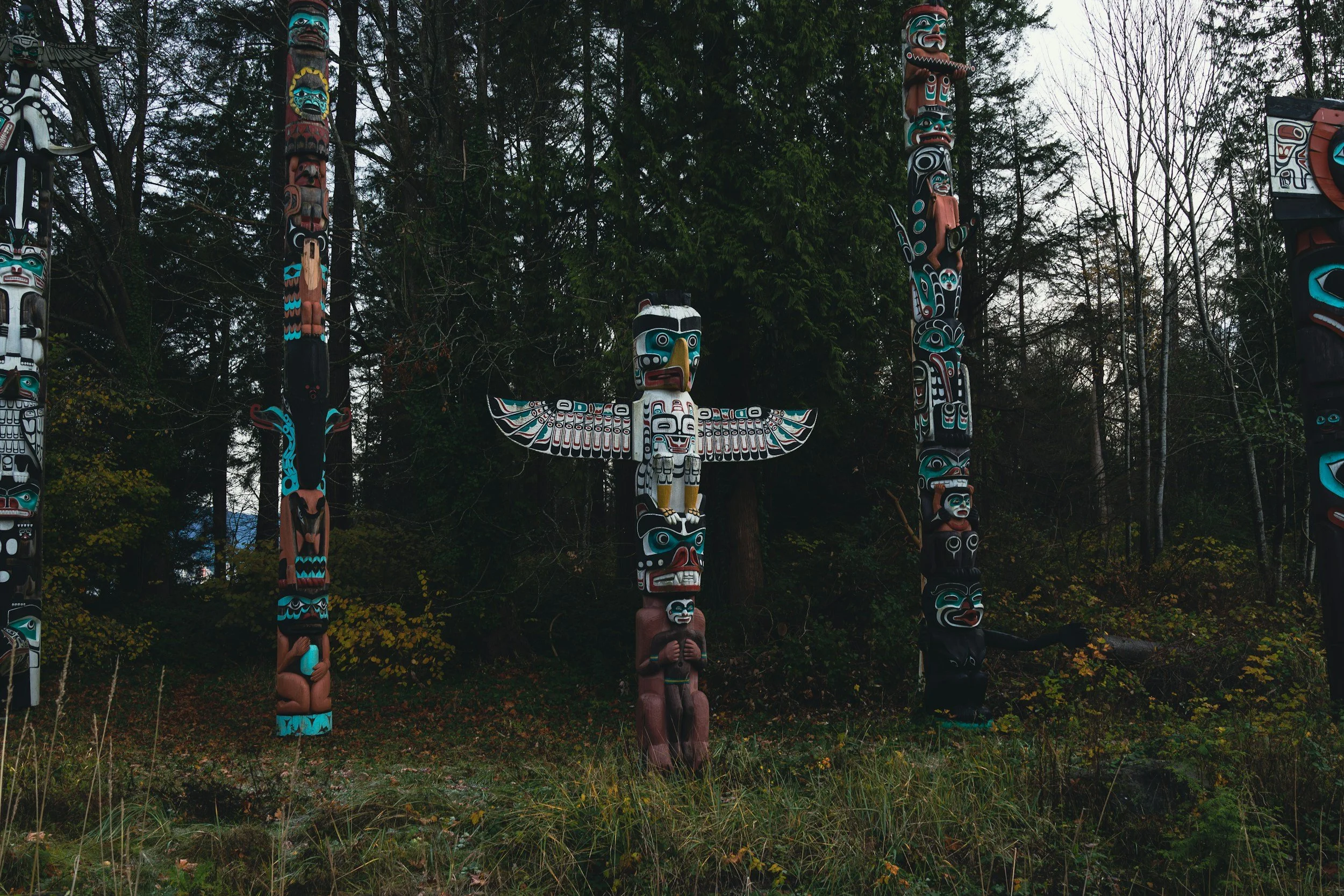
Modern firefighting relies on helicopters, satellites and predictive models, yet some of the most promising wildfire strategies come from knowledge passed down through generations. Long before European colonisation, Indigenous peoples across the globe used fire intentionally to manage land. This article explores the principles of Indigenous fire stewardship and why they’re crucial for contemporary fire management.
Burning with Purpose
Cultural burns differ from wildfires in one key respect: they are intentional. Indigenous fire‑keepers burn when weather and humidity are favourable, selecting specific patches to create a mosaic of burned and unburned areas. This patchiness interrupts fuel continuity, slows potential wildfires and encourages biodiversity (National Geographic). For example, many tribes in what is now California cleared underbrush to encourage plants like hazelnut, camas and bear grass—essential foods and materials—and to attract game animals. Fires were lit to clear travel corridors, maintain grasslands and produce straight shoots for basketry.
Knowledge Embedded in Landscape
Indigenous fire stewardship isn’t just a technique; it’s a relationship with land. Burn plans factor in soil type, plant phenology, wildlife cycles and cultural values. Lessons are encoded in stories, songs and ceremonies rather than written manuals. Knowledge holders understand when certain plants are ready for fire, how to read the wind and humidity, and which areas need to remain unburned to protect habitat. As climate change alters conditions, Indigenous practitioners adapt their timing and methods, showing flexibility that bureaucratic agencies sometimes lack.
Partnerships and Challenges
After centuries of suppression and criminalisation, governments are beginning to partner with tribes to reintroduce cultural burning. In California and Australia, co‑management agreements allow Indigenous crews to lead burns on public lands. These partnerships face obstacles—liability concerns, regulatory hurdles and limited funding—but they demonstrate that blending traditional knowledge with modern safety protocols can produce safer, healthier landscapes (National Geographic). Training non‑Indigenous firefighters to work alongside cultural burners fosters mutual respect and expands capacity.
Beyond Fire: Healing and Justice
Reviving cultural burning also addresses historical injustices. Colonisation forcibly removed Indigenous peoples from their lands, banned their practices and disrupted ecological processes. Restoring stewardship rights offers cultural healing while improving ecological health. It’s a two‑for‑one: communities regain agency, and forests regain resilience. Cultural burning is not just about managing vegetation; it’s about maintaining relationships among people, plants and animals.
An Ending Thought
Think of cultural burns like heirloom recipes—passed from grandparents to grandchildren. Sure, you can follow a recipe app, but there’s something special about learning to cook by feel, adjusting spices and stirring the pot with someone who knows the history of every ingredient. Indigenous fire stewardship is that multi‑generational wisdom; we’d be foolish not to invite it back into our kitchen.
Works Cited
“The Ecological Benefits of Fire.” National Geographic Society, 14 Jan. 2025.
